Blockchain technology has emerged as a revolutionary force shaping numerous industries across the globe. Its decentralized nature and secure architecture have opened up possibilities that were previously unattainable. In this comprehensive guide, we’ll explore the fundamental concepts of blockchain development, its applications, and the pivotal role played by blockchain development companies.

What is Blockchain Technology?
At its core, blockchain is a distributed ledger technology that records transactions across a network of computers. Each transaction is stored in a block, cryptographically linked to the previous one, forming a chain of blocks—hence the name “blockchain.” The decentralization of this ledger ensures transparency, immutability, and security.
Key Components of Blockchain Development
- Consensus Mechanisms: Blockchain networks employ various consensus mechanisms like Proof of Work (PoW), Proof of Stake (PoS), or Delegated Proof of Stake (DPoS) to validate and add transactions to the chain.
- Cryptographic Hashing: Cryptography secures data integrity by generating unique cryptographic hashes for each block, making it tamper-proof.
- Smart Contracts: These self-executing contracts with predefined rules automate and enforce agreements without intermediaries.
- Public and Private Blockchains: Public blockchains like Bitcoin and Ethereum are open to anyone, while private or permissioned blockchains limit access to authorized participants.
Applications of Blockchain Technology
Blockchain’s versatility extends to various sectors:
- Finance: Cryptocurrencies, like Bitcoin, have revolutionized digital currencies and payments, offering faster and more secure transactions globally.
- Supply Chain Management: Blockchain ensures transparency and traceability, preventing counterfeiting and enhancing accountability across supply chains.
- Healthcare: It facilitates secure storage and sharing of patient records, ensuring data privacy and interoperability.
- Governance: Transparent voting systems built on blockchain can revolutionize democratic processes, ensuring integrity and reducing fraud.
The Role of Blockchain Development Companies
Blockchain development companies are instrumental in harnessing the potential of this technology. Their expertise lies in:
- Custom Blockchain Solutions: These companies design and develop bespoke blockchain networks tailored to specific industry needs.
- Smart Contract Development: Creating and deploying self-executing smart contracts to automate processes securely.
- Consultation and Integration: Advising businesses on blockchain adoption and seamlessly integrating blockchain into existing systems.
- Security and Auditing: Conducting security audits and implementing measures to ensure robustness against vulnerabilities.
Conclusion
Blockchain development is not merely about technology; it’s a paradigm shift toward decentralization, security, and transparency. Understanding its core principles and applications lays the foundation for a transformative journey across various industries. As we move forward in this series, we’ll delve deeper into specific aspects like smart contracts, Web3 development, NFTs, and DeFi, unveiling the intricacies and innovations within the blockchain ecosystem.
Smart Contracts: The Building Blocks of Decentralized Applications
In the realm of blockchain technology, smart contracts stand out as powerful tools, driving the creation and execution of decentralized applications (dApps). Building upon the foundational understanding of blockchain from our previous article, let’s explore the intricate world of smart contracts and the pivotal role they play within the blockchain ecosystem.
Understanding Smart Contracts
Smart contracts are self-executing contracts with predefined conditions written in code. They automatically enforce and facilitate the performance of credible transactions without the need for intermediaries. The execution of these contracts occurs when predetermined conditions are met, eliminating the possibility of fraud or manipulation.
Features and Benefits of Smart Contracts
- Trust and Transparency: Smart contracts run on a decentralized blockchain, ensuring transparency and removing the need to trust a centralized authority.
- Immutability: Once deployed, smart contracts cannot be altered, enhancing security and trust among involved parties.
- Automation and Efficiency: By automating processes, smart contracts reduce human error and streamline operations, leading to cost savings and increased efficiency.
- Cost-Effectiveness: Eliminating intermediaries reduces transaction costs significantly.

Development of Smart Contracts
Blockchain development companies specialize in creating, auditing, and deploying smart contracts. Their expertise includes:
- Programming Languages: Smart contracts are written in languages like Solidity (Ethereum), Vyper, and others specific to the blockchain platform being used.
- Code Auditing: Thorough audits are conducted to identify vulnerabilities and ensure the reliability and security of smart contracts.
- Integration with dApps: Smart contracts are integral to the functioning of decentralized applications, providing the underlying logic and governance.
Applications of Smart Contracts
- Finance: Smart contracts enable decentralized finance (DeFi) applications like lending, borrowing, and automated market-making (AMM) protocols.
- Supply Chain Management: Automating contractual agreements between various entities in a supply chain ensures transparency and accountability.
- Legal and Real Estate: Facilitating secure and transparent property transactions and executing legal agreements without intermediaries.
Challenges and Future of Smart Contracts
Despite their benefits, smart contracts face challenges related to security vulnerabilities, complex coding, and legal enforceability. As the technology evolves, efforts are being made to improve scalability, interoperability, and standardization across different blockchain platforms.
Conclusion
Smart contracts represent a cornerstone of blockchain technology, revolutionizing the way agreements and transactions are carried out in a trustless and decentralized environment. Their versatility spans across industries, promising innovation and efficiency.
Web3 Development Services: Shaping the Future of the Decentralized Web
As the evolution of blockchain technology continues, the concept of Web3 has emerged as a paradigm shift towards a more decentralized, user-centric internet. In this article, we’ll explore the essence of Web3 development services, their significance, and the transformative potential they hold in reshaping the digital landscape.
Understanding Web3
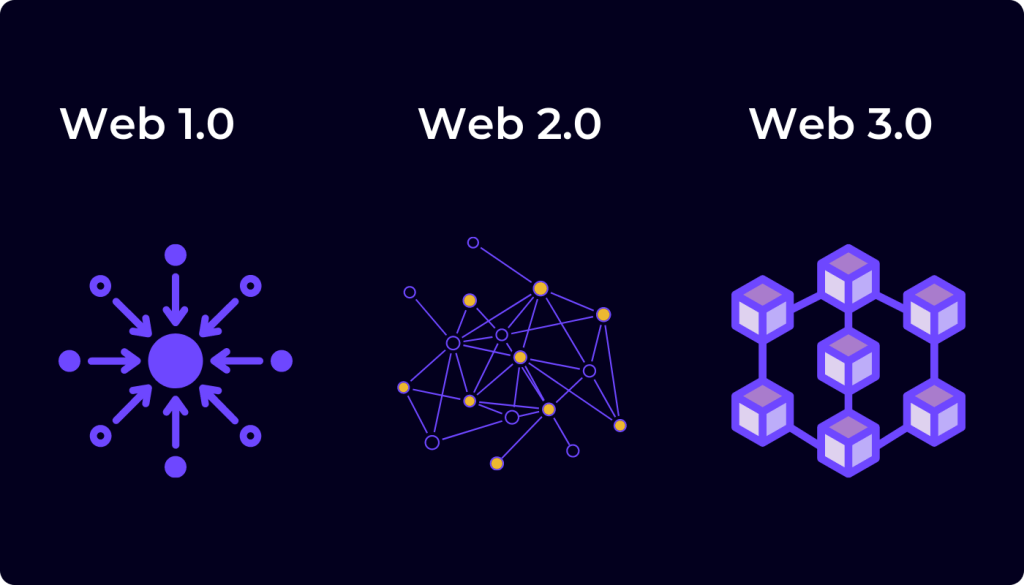
Web3 represents the next iteration of the internet, moving away from the centralized Web2 model dominated by tech giants towards a decentralized, user-controlled ecosystem. It envisions a web where individuals have ownership of their data, interact directly with decentralized applications (dApps), and participate in governance.
Core Elements of Web3 Development
- Decentralization: Web3 is built upon decentralized networks such as blockchain, ensuring data ownership and control rest with the users rather than centralized entities.
- Interoperability: Interconnectedness between various blockchains and dApps enables seamless data sharing and functionality across the decentralized web.
- Tokenization: The use of tokens incentivizes user participation and contributes to the economic ecosystem of Web3.
- Identity and Privacy: Web3 prioritizes user privacy and allows users to have control over their digital identities.
Services Offered by Web3 Development Companies
- dApp Development: These companies specialize in creating decentralized applications across various industries, ensuring functionality, security, and user experience.
- Blockchain Integration: Integrating different blockchains and protocols to enhance interoperability and scalability.
- Identity Solutions: Implementing decentralized identity (DID) systems to ensure user privacy and control over personal data.
- Tokenization and Governance: Assisting in token creation, distribution, and governance mechanisms within decentralized ecosystems.
Applications of Web3 Development
- Decentralized Finance (DeFi): Web3 enables various DeFi protocols such as decentralized exchanges (DEXs), lending platforms, and liquidity provision services.
- Social Media and Content Sharing: Platforms built on Web3 principles allow users to have control over their content and incentivize participation.
- Gaming and Virtual Worlds: Web3 facilitates ownership of in-game assets and provably scarce digital collectibles through non-fungible tokens (NFTs).
Challenges and Future of Web3
Despite its potential, Web3 faces challenges related to scalability, user adoption, regulatory concerns, and infrastructure development. Overcoming these hurdles will be crucial in realizing the full potential of a decentralized web.
Conclusion
Web3 development services mark a crucial step towards a more equitable, transparent, and user-centric internet. The integration of blockchain technology, decentralized applications, and user-controlled data signifies a shift towards a more democratic digital landscape.
NFT Development Companies: Revolutionizing Digital Ownership
Non-fungible tokens (NFTs) have surged to the forefront of the blockchain revolution, transforming the concept of digital ownership and creating a new paradigm for valuing and trading digital assets. In this article, we’ll delve into the world of NFT development companies, their role in creating unique digital collectibles, and the impact of NFTs across various industries.
Understanding NFTs
NFTs are unique cryptographic tokens that represent ownership or proof of authenticity of a specific digital asset. Unlike cryptocurrencies such as Bitcoin or Ethereum, each NFT is indivisible and cannot be replicated, making it one-of-a-kind and easily verifiable on the blockchain.
Key Elements of NFT Development
- Token Standards: NFTs are typically built on standards like ERC-721 or ERC-1155 (Ethereum), each offering specific functionalities and standards for creating and managing unique digital assets.
- Metadata and Ownership Proof: NFTs contain metadata that defines their uniqueness, including details about the creator, ownership history, and characteristics of the digital asset.
- Smart Contracts: Smart contracts facilitate the creation, ownership, and transfer of NFTs, ensuring transparency and authenticity in transactions.
Services Offered by NFT Development Companies
- NFT Marketplace Development: Building platforms where creators can mint, buy, sell, and trade NFTs securely and efficiently.
- NFT Token Development: Creating custom NFT tokens for artists, musicians, brands, and various industries to tokenize digital art, music, collectibles, and more.
- Smart Contract Development: Designing and deploying smart contracts specific to NFTs, ensuring security and functionality.
- Integration and Consultation: Advising on NFT adoption, integration into existing systems, and marketing strategies for NFT-based projects.
Applications of NFTs
- Art and Collectibles: NFTs have revolutionized the art world, enabling digital artists to tokenize their work as unique, tradable assets, disrupting traditional art ownership and royalties.
- Gaming and Virtual Assets: NFTs in gaming offer ownership of in-game items, characters, and land, fostering a thriving economy within virtual worlds.
- Music and Entertainment: Musicians and content creators tokenize their work as NFTs, providing direct engagement with fans and creating new revenue streams.
Challenges and Future of NFTs
NFTs face challenges related to environmental concerns due to energy-intensive blockchain networks, copyright issues, and market volatility. As the technology matures, efforts are being made to address scalability, sustainability, and regulatory frameworks.
Conclusion
NFT development companies are at the forefront of a digital revolution, democratizing ownership and transforming the way we perceive and trade digital assets. The rise of NFTs has unlocked new possibilities for creators, collectors, and businesses, ushering in a new era of digital ownership and value creation.
DeFi Development Companies: Redefining Financial Services on the Blockchain
Decentralized Finance (DeFi) has emerged as a disruptive force within the blockchain ecosystem, revolutionizing traditional financial services by offering transparent, accessible, and decentralized alternatives. In this article, we’ll explore the role of DeFi development companies, their impact on reshaping finance, and the various aspects of decentralized financial solutions.
Understanding DeFi
DeFi refers to a set of financial services and applications built on blockchain technology, aiming to eliminate intermediaries and provide users with direct access to financial instruments. These services include lending, borrowing, decentralized exchanges, yield farming, and more, all facilitated through smart contracts on decentralized networks.
Key Components of DeFi Development
- Lending and Borrowing Protocols: Platforms that allow users to lend their cryptocurrencies for interest or borrow assets by providing collateral, all executed through smart contracts.
- Decentralized Exchanges (DEXs): Platforms enabling peer-to-peer trading of digital assets without relying on centralized intermediaries.
- Stablecoins: Cryptocurrencies pegged to stable assets like fiat currencies, offering stability and facilitating transactions within the volatile crypto market.
- Automated Market Makers (AMMs): Protocols that use algorithms to facilitate trades by liquidity providers, enabling decentralized trading pairs.
Services Offered by DeFi Development Companies
- Smart Contract Development: Creating and auditing smart contracts that underpin various DeFi protocols, ensuring security and functionality.
- Platform Development: Building user-friendly interfaces and robust platforms for DeFi applications, focusing on accessibility and user experience.
- Tokenization and Governance: Developing tokens for governance mechanisms within DeFi ecosystems and implementing strategies for token distribution.
- Security Audits and Consulting: Conducting comprehensive security audits to identify vulnerabilities and offering consultancy on DeFi adoption and integration.

Applications of DeFi
- Decentralized Lending and Borrowing: Enabling users to lend, borrow, and earn interest on their assets without relying on traditional financial institutions.
- Decentralized Exchanges: Providing a trustless environment for users to trade digital assets directly, promoting liquidity and reducing trading fees.
- Yield Farming and Liquidity Mining: Incentivizing users to provide liquidity to DeFi platforms in return for rewards or interest.
Challenges and Future of DeFi
Despite its potential, DeFi faces challenges related to scalability, interoperability between different protocols, regulatory uncertainties, and security vulnerabilities. The industry is actively working on addressing these issues to achieve broader adoption and sustainability.
Conclusion
DeFi development companies stand at the forefront of a financial revolution, reimagining traditional finance by leveraging the capabilities of blockchain technology. The rise of decentralized financial services offers opportunities for financial inclusion, transparency, and innovation in a previously centralized financial landscape.
 The Tech Explorer