Non-Fungible Tokens (NFTs) have taken the world by storm, transforming the digital ownership landscape. As these unique digital assets become increasingly prevalent in the Web3 ecosystem, it’s crucial to examine the intersection of NFTs and smart contract security. In this blog, we’ll explore the security considerations surrounding NFTs and how smart contracts play a pivotal role in shaping the tokenized future.
Unique Characteristics of NFTs: NFTs represent ownership of unique digital assets, ranging from digital art and music to virtual real estate. Each NFT is distinct, and its ownership is recorded on a blockchain through a smart contract. The security of these smart contracts is paramount, as any vulnerabilities can directly impact the ownership and integrity of the associated NFTs.
Smart Contracts as NFT Protocols: Smart contracts serve as the protocols governing NFT creation, transfer, and ownership. The Ethereum blockchain, with standards like ERC-721 and ERC-1155, has become a prominent platform for NFTs. Security vulnerabilities in these smart contract standards can have widespread implications for the entire NFT ecosystem.
Security Challenges in NFT Smart Contracts: NFT smart contracts face unique security challenges. Issues such as front-running during NFT minting, potential flaws in the token URI handling, and the risk of counterfeit NFTs pose significant threats. Thorough security audits and adherence to best practices are crucial for mitigating these challenges.
Ensuring Metadata Security: The metadata associated with NFTs, containing information about the digital asset, is often stored off-chain. While this design enhances scalability, it introduces security considerations. Smart contracts must securely handle and reference this off-chain metadata to prevent unauthorized modifications or manipulation.
Gas Fees and Scalability: High gas fees on blockchain networks, particularly during periods of congestion, can affect the cost and efficiency of NFT transactions. Smart contracts must be optimized to minimize gas consumption, and scalability solutions, such as layer 2 scaling, are essential for ensuring a seamless and cost-effective NFT ecosystem.
Royalties and Smart Contract Security: NFT smart contracts often include royalty mechanisms, ensuring that creators receive a percentage of sales whenever the NFT is resold. Securing these royalty functions is crucial to maintaining trust and fairness within the NFT space. Smart contracts should be designed to handle royalty distributions reliably and securely.
Integration of Decentralized Storage: NFTs often rely on decentralized storage solutions for hosting media files and additional data. The integration of decentralized storage introduces its own set of security considerations. Smart contracts must facilitate secure interactions with these external storage systems to prevent unauthorized access or manipulation of NFT content.
Education and Best Practices: Educating NFT developers and the broader community about security best practices is paramount. This includes promoting code audits, encouraging adherence to established standards, and fostering a culture of transparency within the NFT ecosystem. Community-driven initiatives and collaborations can contribute to the overall security posture of NFT smart contracts.
In conclusion, the security of NFTs is intricately tied to the robustness of smart contracts governing their creation and transfer. As the NFT space continues to evolve, a proactive approach to security, including regular audits, community engagement, and the adoption of emerging technologies, will be instrumental in safeguarding the tokenized future and ensuring the long-term viability of NFT ecosystems within Web3.
In recent years, the amalgamation of Web3 and the Internet of Things (IoT) has sparked a paradigm shift in the way we perceive and interact with the digital world. This dynamic duo promises to revolutionize connectivity, security, and autonomy in the vast landscape of IoT. Let’s delve into the intricacies of this powerful synergy and explore the potential it holds for the future.
Web3: A Brief Overview
Web3, often dubbed as the “decentralized web,” is the next evolutionary step beyond the current web infrastructure. Unlike its predecessor, Web3 aims to break free from the centralized control of data and services. Blockchain technology plays a pivotal role in this transformation, providing a decentralized and secure framework for transactions and interactions.
The Confluence with IoT
IoT, on the other hand, has been making waves by interconnecting physical devices and enabling them to communicate seamlessly. From smart homes and cities to industrial automation, IoT is driving efficiency and convenience. However, it is not without its challenges, especially concerning security, privacy, and interoperability.
Enter Web3, the game-changer. By integrating the principles of decentralization and blockchain, Web3 brings a layer of trust and transparency to the IoT ecosystem. Let’s dissect the key aspects that make this synergy a formidable force.
Enhanced Security
Security has always been a paramount concern in the realm of IoT. The decentralized nature of Web3, facilitated by blockchain, provides a robust security framework. Each transaction or communication is recorded on an immutable ledger, making it nearly impervious to tampering. This not only safeguards sensitive data but also mitigates the risks associated with centralized points of failure.
Moreover, the use of smart contracts in Web3 ensures that agreements between devices are executed automatically when predefined conditions are met. This eliminates the need for intermediaries, reducing vulnerabilities and enhancing the overall security posture of IoT networks.
Data Ownership and Privacy
Web3 puts the control of data back into the hands of users. With the current model, data generated by IoT devices often ends up in the possession of centralized entities, raising concerns about privacy and ownership. In a Web3-enabled IoT environment, individuals have greater control over who accesses their data and for what purpose.
Blockchain’s encryption and decentralization mechanisms allow users to share specific data sets securely without compromising their privacy. This not only builds trust but also aligns with the principles of user empowerment that Web3 advocates.
Interoperability and Seamless Integration
One of the challenges faced by the IoT ecosystem is the lack of standardized protocols, leading to interoperability issues. Web3’s decentralized nature fosters collaboration and encourages the development of open standards. Smart contracts enable devices to interact with each other seamlessly, irrespective of their underlying technologies or manufacturers.
This interoperability unlocks new possibilities for innovation and accelerates the adoption of IoT across diverse industries. Devices can communicate and collaborate on decentralized platforms, creating a harmonious and interconnected IoT landscape.
Autonomy and Decentralized Decision-Making
Web3’s integration with IoT empowers devices with autonomous decision-making capabilities. Smart contracts, once again, play a crucial role by enabling devices to execute predefined actions based on real-time data. This reduces the reliance on centralized servers or cloud platforms, fostering a more resilient and responsive IoT infrastructure.
Imagine a smart city where traffic lights communicate directly with vehicles, optimizing traffic flow in real-time without the need for a central traffic control system. This decentralized decision-making not only enhances efficiency but also reduces latency, making IoT applications more agile and adaptive.
The Road Ahead
As Web3 continues to evolve, its symbiotic relationship with IoT will redefine the landscape of connectivity. This synergy holds the promise of addressing the fundamental challenges that have hindered the widespread adoption of IoT. From enhanced security and privacy to interoperability and decentralized decision-making, the integration of Web3 in the IoT space is set to unlock a new era of innovation and possibilities.
The evolution of Artificial Intelligence (AI) in sports has been transformative, revolutionizing the competitive landscape and shaping the future of athletic endeavors. This blog explores the trajectory of AI in sports, highlighting its evolving role and the potential it holds for the future of competition.
Advancements in Performance Prediction: AI-driven predictive models analyze extensive data sets to forecast outcomes, player performance, and game strategies. These predictive analytics offer insights into potential game scenarios, enabling teams to adapt strategies and make data-informed decisions both before and during matches.
AI-Powered Coaching and Training: Coaches leverage AI systems to analyze player performances, strategize training sessions, and assess individual skill development. Through machine learning algorithms, coaches can identify areas for improvement, devise tailored training programs, and provide personalized feedback to optimize athletes’ performance.
Enhanced Fan Engagement: AI technologies have redefined the fan experience, offering personalized content, interactive platforms, and augmented reality experiences. From AI-generated highlight reels to immersive fan engagement apps, technology has brought fans closer to the action, creating a more engaging and interactive spectator experience.
Impact on Sports Broadcasting: AI-driven innovations in sports broadcasting have revolutionized the way games are televised and consumed. Automated camera systems, augmented reality graphics, and data-driven insights enhance viewers’ understanding and enjoyment of the game, delivering a more engaging and informative broadcast experience.
Ethical and Regulatory Considerations: As AI becomes more ingrained in sports, ethical considerations surrounding data privacy, fairness, and accountability become paramount. Regulations ensuring fair play, unbiased use of AI, and protection of athletes’ data are crucial to maintain the integrity of sports in an AI-driven era.
Future Prospects and Challenges: The future of AI in sports is promising, with continuous advancements expected in performance analytics, training methodologies, and fan engagement. However, challenges such as striking a balance between technological innovation and the human element, addressing biases in AI algorithms, and maintaining ethical standards will require ongoing attention and collaboration across stakeholders.
In conclusion, the integration of AI in sports marks a paradigm shift, redefining how athletes train, teams strategize, and fans engage with their favorite sports. The continued evolution of AI promises a future where sports reach new heights of competitiveness, innovation, and entertainment, shaping a landscape where technology and athleticism intersect in unprecedented ways.
The supply chain and logistics industry has long been a complex web of interconnected systems, processes, and stakeholders. With the emergence of Web3 technologies, the potential for transformation within this industry has become increasingly apparent. Web3, characterized by decentralization, blockchain technology, and enhanced data security, holds immense promise in reshaping how supply chains operate, ensuring transparency, efficiency, and trust among all participants.
Blockchain’s Impact on Traceability and Transparency
Blockchain, a foundational technology of Web3, presents a game-changing solution for enhancing traceability and transparency in supply chains. By creating an immutable ledger of transactions across a distributed network, blockchain enables real-time tracking of goods from their origin to the end consumer. This transparency significantly reduces the risks of counterfeit products, enhances quality control, and ensures compliance with regulations. Suppliers, manufacturers, distributors, and consumers can access accurate and unaltered information, fostering trust throughout the supply chain.
Smart Contracts Streamlining Logistics Processes
Smart contracts, a key feature of Web3, automate and execute contractual agreements without intermediaries. In the supply chain and logistics sector, these contracts can facilitate seamless transactions, automate payments, and enforce agreements when predefined conditions are met. For instance, smart contracts can trigger automatic payments to suppliers upon successful delivery of goods, reducing administrative costs and delays in payment processing. Such efficiency gains streamline logistics operations, leading to faster delivery times and cost savings.
Enhanced Data Security and Privacy
Web3 technologies prioritize data security and privacy through decentralized systems. Traditional supply chains often suffer from vulnerabilities in centralized databases, making them susceptible to cyber-attacks and data breaches. With Web3’s decentralized architecture, sensitive information is distributed across a network of nodes, significantly reducing the risk of a single point of failure. Moreover, data encryption and permissioned access ensure that only authorized parties can view specific information, safeguarding confidential business data.
Improving Supply Chain Financing and Transparency
Supply chain financing is a critical aspect of ensuring smooth operations for businesses. Web3 technologies can revolutionize this aspect by enabling efficient and transparent financing options. With transparent and traceable transactions recorded on the blockchain, financial institutions gain more confidence in extending credit to suppliers based on their proven track record and transaction history. This not only helps smaller suppliers access much-needed financing but also reduces the overall cost of capital within the supply chain ecosystem.
Challenges and Adoption Hurdles
Despite the immense potential of Web3 in supply chain and logistics, several challenges hinder widespread adoption. Integration with existing legacy systems, scalability issues, regulatory concerns, and the need for industry-wide collaboration pose significant hurdles. Moreover, educating stakeholders about the benefits and functionalities of Web3 technologies remains a crucial step in driving adoption across the supply chain landscape.
In conclusion, Web3 technologies have the potential to revolutionize supply chain and logistics by fostering transparency, efficiency, and trust among participants. Embracing these technologies can lead to streamlined operations, reduced costs, minimized risks, and ultimately, a more resilient and agile supply chain ecosystem.
At the forefront of AI consulting, Solulab has established itself as an industry leader through its innovative approach and commitment to delivering cutting-edge solutions. With a robust team of experts versed in AI technologies, Solulab stands out for its tailored strategies that cater to diverse business needs.
Solulab’s success stems from its comprehensive understanding of AI’s potential applications across various sectors. Whether it’s implementing machine learning algorithms for predictive analysis or leveraging natural language processing for enhanced customer interactions, Solulab’s expertise spans a wide spectrum.
The company’s client-centric approach ensures that each solution is meticulously crafted to address specific challenges, fostering a seamless integration of AI into existing frameworks. From conceptualization to execution, Solulab remains dedicated to driving tangible outcomes for its clients, thereby solidifying its position as a top-tier AI consulting company.
Top AI Consulting Companies Reshaping Industries
Beyond Solulab, several other firms are making significant strides in AI consulting, contributing to the technology’s widespread adoption and evolution. Companies such as:
Accenture: Renowned for its comprehensive suite of AI services, Accenture combines industry expertise with cutting-edge AI capabilities to drive transformative change.
IBM: A pioneer in AI, IBM continues to lead the way with its Watson AI platform, offering advanced solutions for businesses across sectors.
Deloitte: With a focus on AI strategy and implementation, Deloitte empowers organizations to leverage AI’s potential for sustainable growth.
PwC: Providing end-to-end AI consulting services, PwC assists companies in navigating the complex AI landscape and harnessing its full potential.
Capgemini: Known for its AI-driven innovation labs and solutions, Capgemini delivers impactful AI strategies tailored to client objectives.
Closing Thoughts
As AI continues to revolutionize industries worldwide, the role of consulting companies becomes increasingly vital. Solulab, with its innovative solutions and client-centric approach, stands tall among these influential entities, leading the charge towards a future driven by intelligent technologies. Alongside other notable consulting firms, Solulab exemplifies the commitment to excellence and innovation that defines the top AI consulting companies shaping the digital landscape.
In the ever-evolving landscape of technology, artificial intelligence continues to push boundaries, particularly in the realm of creativity. Generative AI tools, harnessing the power of machine learning algorithms, have emerged as game-changers in various fields, enabling individuals and businesses to explore new frontiers of innovation. Here, we delve into some of the top generative AI tools that are revolutionizing how we create, design, and generate content.
OpenAI’s GPT (Generative Pre-trained Transformer) Models: OpenAI has been at the forefront of generative AI, with its GPT models setting benchmarks in natural language generation. These models, like GPT-3, utilize deep learning to produce human-like text, aiding in content creation, language translation, and even coding assistance. The capabilities of these models continue to expand, offering immense potential across industries.
RunwayML: This tool democratizes AI by providing an intuitive interface for artists, designers, and creators to experiment with generative models. RunwayML simplifies the process of using sophisticated AI models, allowing users to generate art, music, animations, and more with ease. Its user-friendly platform encourages exploration and innovation without requiring extensive technical expertise.
Artbreeder: For visual artists seeking to explore the possibilities of AI-generated art, Artbreeder is a treasure trove. It employs a collaborative approach where users can blend and manipulate images to create unique artworks. From portraits to landscapes, Artbreeder empowers artists to experiment and produce captivating visual compositions.
DALL-E by OpenAI: This groundbreaking AI model specializes in generating images from textual descriptions. DALL-E can create imaginative and contextually relevant images based on written prompts, showcasing the potential for AI to interpret and generate visual content in unprecedented ways.
Deep Dream Generator: Leveraging Google’s DeepDream algorithm, this tool allows users to transform images into surreal and dreamlike artworks. By amplifying and enhancing patterns within images, Deep Dream Generator produces captivating and psychedelic visuals, offering a glimpse into AI’s creative capabilities.
Jukebox by OpenAI: Exploring the fusion of AI and music, Jukebox generates music in various genres and styles, including singing in different voices. This tool demonstrates AI’s ability to compose music, opening doors for novel compositions and expanding creative horizons in the music industry.
Generative AI tools continue to evolve, presenting endless opportunities for innovation and creative expression. While these tools showcase the potential of AI in various domains, ethical considerations surrounding their use, biases, and societal impact remain critical areas of discussion.
As we embrace the transformative power of generative AI, it’s essential to harness these tools responsibly, understanding their capabilities, limitations, and ethical implications. With ongoing advancements and a collaborative approach, the future of generative AI holds promise for driving innovation, inspiring creativity, and reshaping how we perceive the boundaries of human-machine collaboration.
Blockchain technology has emerged as a revolutionary force shaping numerous industries across the globe. Its decentralized nature and secure architecture have opened up possibilities that were previously unattainable. In this comprehensive guide, we’ll explore the fundamental concepts of blockchain development, its applications, and the pivotal role played by blockchain development companies.
What is Blockchain Technology?
At its core, blockchain is a distributed ledger technology that records transactions across a network of computers. Each transaction is stored in a block, cryptographically linked to the previous one, forming a chain of blocks—hence the name “blockchain.” The decentralization of this ledger ensures transparency, immutability, and security.
Key Components of Blockchain Development
Consensus Mechanisms: Blockchain networks employ various consensus mechanisms like Proof of Work (PoW), Proof of Stake (PoS), or Delegated Proof of Stake (DPoS) to validate and add transactions to the chain.
Cryptographic Hashing: Cryptography secures data integrity by generating unique cryptographic hashes for each block, making it tamper-proof.
Smart Contracts: These self-executing contracts with predefined rules automate and enforce agreements without intermediaries.
Public and Private Blockchains: Public blockchains like Bitcoin and Ethereum are open to anyone, while private or permissioned blockchains limit access to authorized participants.
Applications of Blockchain Technology
Blockchain’s versatility extends to various sectors:
Finance: Cryptocurrencies, like Bitcoin, have revolutionized digital currencies and payments, offering faster and more secure transactions globally.
Supply Chain Management: Blockchain ensures transparency and traceability, preventing counterfeiting and enhancing accountability across supply chains.
Healthcare: It facilitates secure storage and sharing of patient records, ensuring data privacy and interoperability.
Governance: Transparent voting systems built on blockchain can revolutionize democratic processes, ensuring integrity and reducing fraud.
The Role of Blockchain Development Companies
Blockchain development companies are instrumental in harnessing the potential of this technology. Their expertise lies in:
Custom Blockchain Solutions: These companies design and develop bespoke blockchain networks tailored to specific industry needs.
Smart Contract Development: Creating and deploying self-executing smart contracts to automate processes securely.
Consultation and Integration: Advising businesses on blockchain adoption and seamlessly integrating blockchain into existing systems.
Security and Auditing: Conducting security audits and implementing measures to ensure robustness against vulnerabilities.
Conclusion
Blockchain development is not merely about technology; it’s a paradigm shift toward decentralization, security, and transparency. Understanding its core principles and applications lays the foundation for a transformative journey across various industries. As we move forward in this series, we’ll delve deeper into specific aspects like smart contracts, Web3 development, NFTs, and DeFi, unveiling the intricacies and innovations within the blockchain ecosystem.
Smart Contracts: The Building Blocks of Decentralized Applications
In the realm of blockchain technology, smart contracts stand out as powerful tools, driving the creation and execution of decentralized applications (dApps). Building upon the foundational understanding of blockchain from our previous article, let’s explore the intricate world of smart contracts and the pivotal role they play within the blockchain ecosystem.
Understanding Smart Contracts
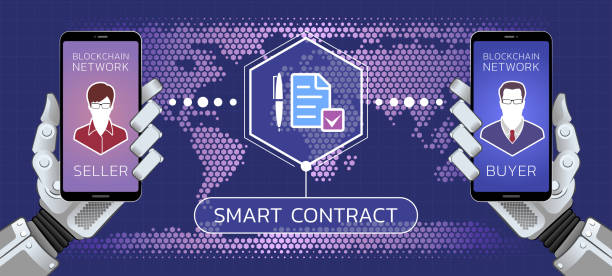
Smart contracts are self-executing contracts with predefined conditions written in code. They automatically enforce and facilitate the performance of credible transactions without the need for intermediaries. The execution of these contracts occurs when predetermined conditions are met, eliminating the possibility of fraud or manipulation.
Features and Benefits of Smart Contracts
Trust and Transparency: Smart contracts run on a decentralized blockchain, ensuring transparency and removing the need to trust a centralized authority.
Immutability: Once deployed, smart contracts cannot be altered, enhancing security and trust among involved parties.
Automation and Efficiency: By automating processes, smart contracts reduce human error and streamline operations, leading to cost savings and increased efficiency.
Blockchain development companies specialize in creating, auditing, and deploying smart contracts. Their expertise includes:
Programming Languages: Smart contracts are written in languages like Solidity (Ethereum), Vyper, and others specific to the blockchain platform being used.
Code Auditing: Thorough audits are conducted to identify vulnerabilities and ensure the reliability and security of smart contracts.
Integration with dApps: Smart contracts are integral to the functioning of decentralized applications, providing the underlying logic and governance.
Applications of Smart Contracts
Finance: Smart contracts enable decentralized finance (DeFi) applications like lending, borrowing, and automated market-making (AMM) protocols.
Supply Chain Management: Automating contractual agreements between various entities in a supply chain ensures transparency and accountability.
Legal and Real Estate: Facilitating secure and transparent property transactions and executing legal agreements without intermediaries.
Challenges and Future of Smart Contracts
Despite their benefits, smart contracts face challenges related to security vulnerabilities, complex coding, and legal enforceability. As the technology evolves, efforts are being made to improve scalability, interoperability, and standardization across different blockchain platforms.
Conclusion
Smart contracts represent a cornerstone of blockchain technology, revolutionizing the way agreements and transactions are carried out in a trustless and decentralized environment. Their versatility spans across industries, promising innovation and efficiency.
Web3 Development Services: Shaping the Future of the Decentralized Web
As the evolution of blockchain technology continues, the concept of Web3 has emerged as a paradigm shift towards a more decentralized, user-centric internet. In this article, we’ll explore the essence of Web3 development services, their significance, and the transformative potential they hold in reshaping the digital landscape.
Understanding Web3
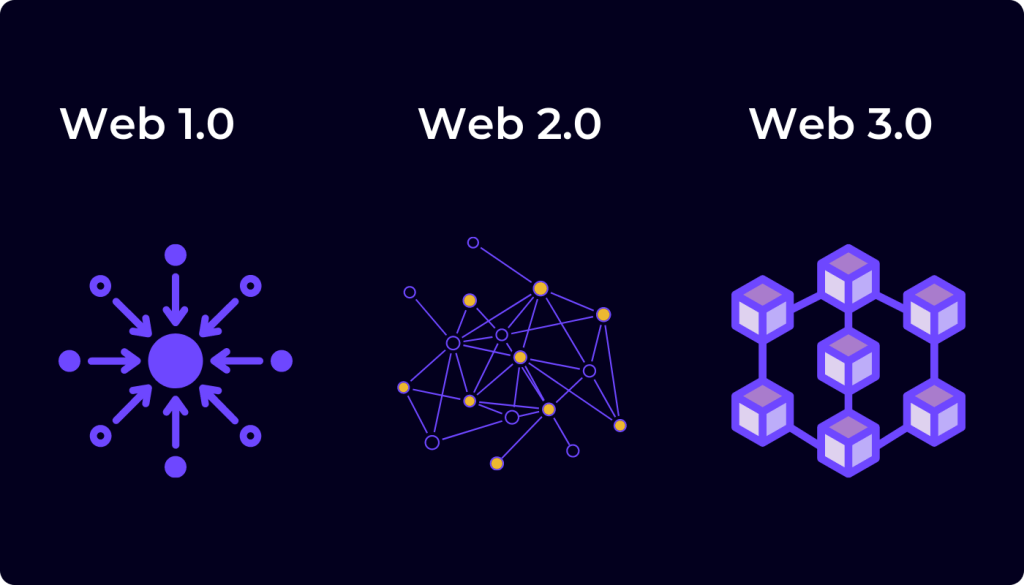
Web3 represents the next iteration of the internet, moving away from the centralized Web2 model dominated by tech giants towards a decentralized, user-controlled ecosystem. It envisions a web where individuals have ownership of their data, interact directly with decentralized applications (dApps), and participate in governance.
Core Elements of Web3 Development
Decentralization: Web3 is built upon decentralized networks such as blockchain, ensuring data ownership and control rest with the users rather than centralized entities.
Interoperability: Interconnectedness between various blockchains and dApps enables seamless data sharing and functionality across the decentralized web.
Tokenization: The use of tokens incentivizes user participation and contributes to the economic ecosystem of Web3.
Identity and Privacy: Web3 prioritizes user privacy and allows users to have control over their digital identities.
Services Offered by Web3 Development Companies
dApp Development: These companies specialize in creating decentralized applications across various industries, ensuring functionality, security, and user experience.
Blockchain Integration: Integrating different blockchains and protocols to enhance interoperability and scalability.
Identity Solutions: Implementing decentralized identity (DID) systems to ensure user privacy and control over personal data.
Tokenization and Governance: Assisting in token creation, distribution, and governance mechanisms within decentralized ecosystems.
Applications of Web3 Development
Decentralized Finance (DeFi): Web3 enables various DeFi protocols such as decentralized exchanges (DEXs), lending platforms, and liquidity provision services.
Social Media and Content Sharing: Platforms built on Web3 principles allow users to have control over their content and incentivize participation.
Gaming and Virtual Worlds: Web3 facilitates ownership of in-game assets and provably scarce digital collectibles through non-fungible tokens (NFTs).
Challenges and Future of Web3
Despite its potential, Web3 faces challenges related to scalability, user adoption, regulatory concerns, and infrastructure development. Overcoming these hurdles will be crucial in realizing the full potential of a decentralized web.
Conclusion
Web3 development services mark a crucial step towards a more equitable, transparent, and user-centric internet. The integration of blockchain technology, decentralized applications, and user-controlled data signifies a shift towards a more democratic digital landscape.
NFT Development Companies: Revolutionizing Digital Ownership
Non-fungible tokens (NFTs) have surged to the forefront of the blockchain revolution, transforming the concept of digital ownership and creating a new paradigm for valuing and trading digital assets. In this article, we’ll delve into the world of NFT development companies, their role in creating unique digital collectibles, and the impact of NFTs across various industries.
Understanding NFTs
NFTs are unique cryptographic tokens that represent ownership or proof of authenticity of a specific digital asset. Unlike cryptocurrencies such as Bitcoin or Ethereum, each NFT is indivisible and cannot be replicated, making it one-of-a-kind and easily verifiable on the blockchain.
Key Elements of NFT Development
Token Standards: NFTs are typically built on standards like ERC-721 or ERC-1155 (Ethereum), each offering specific functionalities and standards for creating and managing unique digital assets.
Metadata and Ownership Proof: NFTs contain metadata that defines their uniqueness, including details about the creator, ownership history, and characteristics of the digital asset.
Smart Contracts: Smart contracts facilitate the creation, ownership, and transfer of NFTs, ensuring transparency and authenticity in transactions.
Services Offered by NFT Development Companies
NFT Marketplace Development: Building platforms where creators can mint, buy, sell, and trade NFTs securely and efficiently.
NFT Token Development: Creating custom NFT tokens for artists, musicians, brands, and various industries to tokenize digital art, music, collectibles, and more.
Smart Contract Development: Designing and deploying smart contracts specific to NFTs, ensuring security and functionality.
Integration and Consultation: Advising on NFT adoption, integration into existing systems, and marketing strategies for NFT-based projects.
Applications of NFTs
Art and Collectibles: NFTs have revolutionized the art world, enabling digital artists to tokenize their work as unique, tradable assets, disrupting traditional art ownership and royalties.
Gaming and Virtual Assets: NFTs in gaming offer ownership of in-game items, characters, and land, fostering a thriving economy within virtual worlds.
Music and Entertainment: Musicians and content creators tokenize their work as NFTs, providing direct engagement with fans and creating new revenue streams.
Challenges and Future of NFTs
NFTs face challenges related to environmental concerns due to energy-intensive blockchain networks, copyright issues, and market volatility. As the technology matures, efforts are being made to address scalability, sustainability, and regulatory frameworks.
Conclusion
NFT development companies are at the forefront of a digital revolution, democratizing ownership and transforming the way we perceive and trade digital assets. The rise of NFTs has unlocked new possibilities for creators, collectors, and businesses, ushering in a new era of digital ownership and value creation.
DeFi Development Companies: Redefining Financial Services on the Blockchain
Decentralized Finance (DeFi) has emerged as a disruptive force within the blockchain ecosystem, revolutionizing traditional financial services by offering transparent, accessible, and decentralized alternatives. In this article, we’ll explore the role of DeFi development companies, their impact on reshaping finance, and the various aspects of decentralized financial solutions.
Understanding DeFi
DeFi refers to a set of financial services and applications built on blockchain technology, aiming to eliminate intermediaries and provide users with direct access to financial instruments. These services include lending, borrowing, decentralized exchanges, yield farming, and more, all facilitated through smart contracts on decentralized networks.
Key Components of DeFi Development
Lending and Borrowing Protocols: Platforms that allow users to lend their cryptocurrencies for interest or borrow assets by providing collateral, all executed through smart contracts.
Decentralized Exchanges (DEXs): Platforms enabling peer-to-peer trading of digital assets without relying on centralized intermediaries.
Stablecoins: Cryptocurrencies pegged to stable assets like fiat currencies, offering stability and facilitating transactions within the volatile crypto market.
Automated Market Makers (AMMs): Protocols that use algorithms to facilitate trades by liquidity providers, enabling decentralized trading pairs.
Services Offered by DeFi Development Companies
Smart Contract Development: Creating and auditing smart contracts that underpin various DeFi protocols, ensuring security and functionality.
Platform Development: Building user-friendly interfaces and robust platforms for DeFi applications, focusing on accessibility and user experience.
Tokenization and Governance: Developing tokens for governance mechanisms within DeFi ecosystems and implementing strategies for token distribution.
Security Audits and Consulting: Conducting comprehensive security audits to identify vulnerabilities and offering consultancy on DeFi adoption and integration.
Applications of DeFi
Decentralized Lending and Borrowing: Enabling users to lend, borrow, and earn interest on their assets without relying on traditional financial institutions.
Decentralized Exchanges: Providing a trustless environment for users to trade digital assets directly, promoting liquidity and reducing trading fees.
Yield Farming and Liquidity Mining: Incentivizing users to provide liquidity to DeFi platforms in return for rewards or interest.
Challenges and Future of DeFi
Despite its potential, DeFi faces challenges related to scalability, interoperability between different protocols, regulatory uncertainties, and security vulnerabilities. The industry is actively working on addressing these issues to achieve broader adoption and sustainability.
Conclusion
DeFi development companies stand at the forefront of a financial revolution, reimagining traditional finance by leveraging the capabilities of blockchain technology. The rise of decentralized financial services offers opportunities for financial inclusion, transparency, and innovation in a previously centralized financial landscape.
In the ever-evolving landscape of technology, blockchain has emerged as a revolutionary force, promising secure, transparent, and decentralized solutions across various industries. As businesses seek to harness the potential of blockchain, the demand for proficient development companies capable of delivering innovative solutions has surged.
Here, we delve into some of the best blockchain development companies in the industry, with a spotlight on SoluLab for its notable contributions and expertise in this domain.
Top Blockchain Development Companies
SoluLab SoluLab stands out among the leading blockchain development companies, renowned for its comprehensive approach to blockchain solutions. With a focus on leveraging cutting-edge technologies, SoluLab offers a wide array of services, including blockchain consulting, development, smart contract development, and enterprise-grade blockchain solutions tailored to clients’ specific needs. Their commitment to quality, innovation, and customer satisfaction has earned them a stellar reputation in the industry.
Consensys A prominent name in the blockchain sphere, Consensys is recognized for its Ethereum-based solutions and decentralized applications (dApps). Their expertise ranges from consulting and education to building developer tools and infrastructure for blockchain projects. Consensys has played a pivotal role in advancing the adoption of blockchain technology across various sectors.
IBM Blockchain IBM Blockchain offers enterprise-grade blockchain solutions catering to diverse industries such as supply chain, finance, and healthcare. Leveraging Hyperledger Fabric and other technologies, IBM provides robust blockchain platforms and services, empowering businesses with secure and efficient solutions.
Deloitte Deloitte has made significant strides in the blockchain space by providing consulting services, developing blockchain-based solutions, and offering insights on blockchain adoption strategies. Their global presence and extensive research in this domain have positioned them as a trusted advisor to businesses exploring blockchain technology.
Microsoft Azure Microsoft Azure provides a comprehensive suite of blockchain services, enabling developers to build, govern, and scale blockchain applications easily. With its user-friendly tools and integration capabilities, Microsoft Azure has emerged as a go-to platform for blockchain development.
Why SoluLab Stands Out
SoluLab’s commitment to delivering tailored blockchain solutions, coupled with their expertise in emerging technologies, sets them apart. Their team of skilled professionals excels in understanding client requirements and crafting innovative solutions that drive tangible business outcomes. Whether it’s implementing blockchain in supply chain management, finance, healthcare, or other sectors, SoluLab’s proficiency and dedication have earned them recognition as a trusted partner in the blockchain development realm.
In conclusion, the world of blockchain development is witnessing rapid growth, and the companies mentioned above exemplify excellence in this field. SoluLab’s noteworthy contributions and commitment to innovation make them a standout choice for businesses seeking cutting-edge blockchain solutions tailored to their needs. As blockchain continues to revolutionize industries, partnering with a reputable and skilled development company like SoluLab can pave the way for transformative solutions that redefine the future of technology.
In the rapidly evolving landscape of technology, blockchain has emerged as a groundbreaking innovation with the potential to transform industries across the globe. Its decentralized nature, transparency, and security features have paved the way for a multitude of applications, from finance and supply chain to healthcare and beyond. Companies seeking to harness the power of blockchain often turn to specialized service providers, such as Solulab, to navigate this complex and promising terrain.
Solulab stands out as a leading blockchain development services company, offering a comprehensive suite of solutions tailored to meet diverse business needs. With a track record of delivering cutting-edge blockchain applications, Solulab has established itself as a trusted partner for organizations looking to integrate blockchain technology into their operations.
The services provided by Solulab encompass the entire spectrum of blockchain development. Their team of experienced developers and experts excels in crafting customized solutions using various blockchain platforms such as Ethereum, Hyperledger, and Corda. From ideation and design to implementation and maintenance, Solulab ensures a seamless and efficient development process.
One of the key strengths of Solulab lies in its ability to comprehend the specific requirements of each client. Whether it’s building smart contracts, developing decentralized applications (DApps), creating private blockchains, or implementing tokenization, Solulab approaches each project with a tailored strategy, focusing on scalability, security, and usability.
Furthermore, Solulab’s commitment to staying updated with the latest advancements in blockchain technology enables them to offer innovative solutions that drive business growth. They leverage their expertise to address challenges faced by industries, unlocking new possibilities and enhancing operational efficiency.
The impact of Solulab’s services extends across diverse sectors. From facilitating secure and transparent transactions in finance to revolutionizing supply chain management with immutable ledgers, their contributions have been instrumental in reshaping traditional processes.
In conclusion, the realm of blockchain technology holds immense promise for businesses seeking enhanced security, transparency, and efficiency. Solulab’s dedication to delivering top-notch blockchain development services has positioned them as a frontrunner in this space. As industries continue to explore the potential of blockchain, Solulab remains a reliable partner for companies looking to harness the transformative power of this innovative technology.
Whether it’s streamlining operations, optimizing processes, or fostering trust and security, Solulab continues to empower businesses worldwide through their expertly crafted blockchain solutions. With their commitment to innovation and excellence, Solulab stands as a beacon in the realm of blockchain development services.
Artificial Intelligence (AI) is no longer just a buzzword; it’s a game-changer transforming industries across the globe. As businesses seek to harness the power of AI, consulting firms specializing in this technology have emerged as crucial allies. Among the top players in this field, Solulab stands tall, recognized for its innovation and expertise. Let’s explore the top 10 AI consulting companies, with Solulab shining brightly among them.
Accenture: A global leader in consulting, Accenture’s AI expertise spans industries, offering tailored solutions for businesses.
IBM: Renowned for its Watson AI platform, IBM provides comprehensive consulting services, integrating AI across various sectors.
Deloitte: With a dedicated AI practice, Deloitte assists organizations in implementing AI strategies for improved efficiency and growth.
PwC: Leveraging AI for business transformation, PwC delivers innovative solutions to address complex challenges across industries.
Capgemini: Offering AI-powered consulting, Capgemini focuses on digital transformation and cutting-edge AI solutions.
Infosys: Known for its AI and automation capabilities, Infosys assists businesses in adopting AI for enhanced operations.
Cognizant: A prominent AI consulting firm, Cognizant specializes in AI-driven digital transformation and innovation.
Wipro: Utilizing AI for business insights, Wipro provides tailored solutions to drive efficiency and competitiveness.
Tata Consultancy Services (TCS): TCS integrates AI into its consulting services, empowering businesses with advanced AI solutions.
Solulab: A standout among AI consulting companies, Solulab excels in developing cutting-edge AI solutions tailored to meet specific business needs. Their innovative approach and commitment to excellence have earned them a prominent position among the top players in the industry. Solulab’s comprehensive AI consulting services encompass machine learning, natural language processing, computer vision, and more. They collaborate closely with clients, offering customized AI strategies that drive growth, efficiency, and competitive advantage.
As AI continues to revolutionize industries, the expertise and guidance provided by these top consulting firms, including Solulab, are invaluable. From enhancing operational efficiency to fostering innovation, these companies play a pivotal role in unlocking the full potential of AI for businesses worldwide.
In conclusion, the landscape of AI consulting is rapidly evolving, and companies like Solulab are at the forefront, shaping the future of AI-driven innovation and transformation. As businesses navigate the complexities of AI adoption, partnering with leading consulting firms becomes imperative for success in this ever-evolving digital era.


 The Tech Explorer